


Evan Mcbride
Hitecher staff writer, high tech and science enthusiast. His work includes news about gadgets, articles on important fundamental discoveries, as well as breakdowns of problems faced by companies today. Evan has his own editorial column on Hitecher.
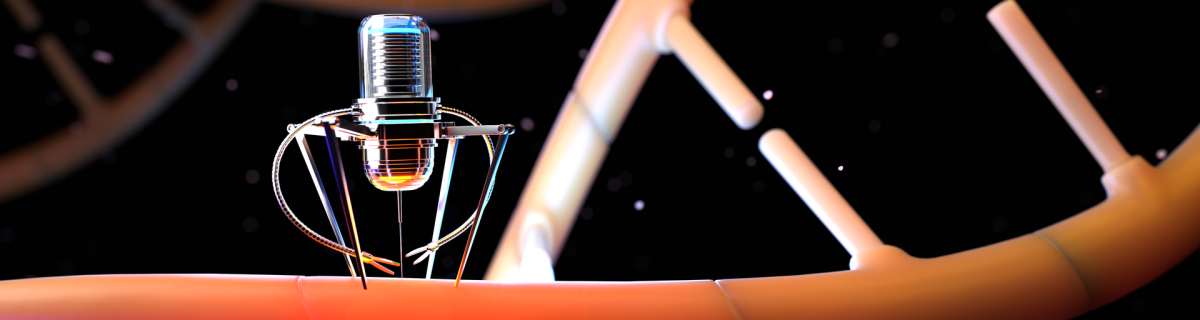
A Robot Smaller Than a Bacterium: How Scientists Created a Microscopic “Cleaner” Powered by Light
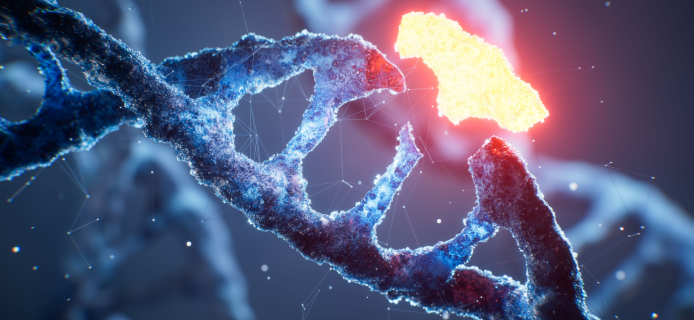
Surgery at the Molecular Level: How In Vivo Gene Editing Is Saving Lives
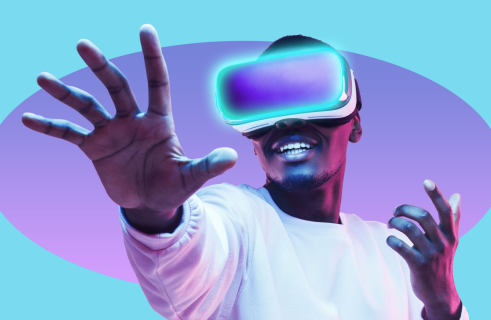
Virtual Reality, Now with Taste: The US Has Created e-Taste, a Device That Will Trick Your Receptors

The Ice Time Machine: How Scientists Discovered the Air Earth Breathed 1.5 Million Years Ago

5 AI Innovations of 2026 That Will Make Your Life Easier and More Exciting
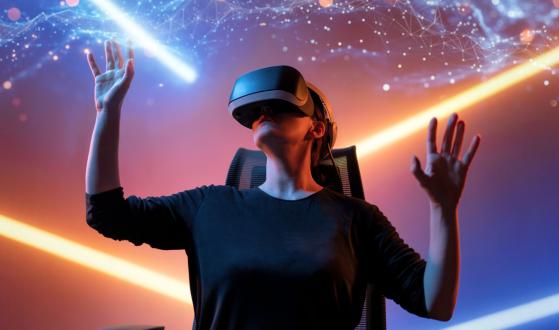
Parallel Reality: How Metaverses Are Changing the Economy and Culture of Society

5 Technological Breakthroughs That Will Change the World by 2040

Smart City: Technologies That Make Cities Come Alive
From Assistants to Autonomous Operators: How AI Agents Changed the Digital Landscape

Vibe Coding: How a New Technology Changed Programming
Lunar Economy: Why Humanity is Developing Earth's Only Natural Satellite
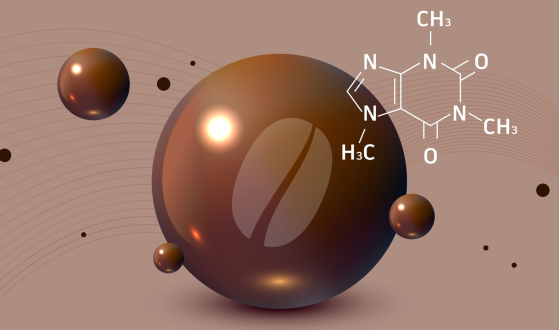
Hacking Sleep: How Caffeine Affects Your Dreams and Whether You Can Control It
Collaborator or Competitor? Why Generative AI Has Not Become a Full-Fledged Artist
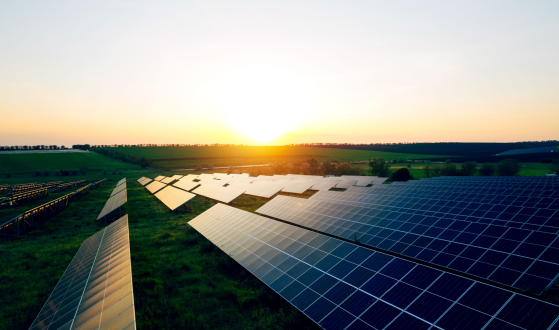
Clean Energy 2030: How Innovation Is Making the Planet Sustainable
The Post-Password Era: What Will Replace Biometrics in the Coming Years

Where to Go When the Real World Isn’t Enough: A Guide to Places That Exist Only Online
Chinese Cosmonauts Successfully Synthesize Oxygen in Space for the First Time

Do not charge your phone in the mall
columns
|
|
Tech & Security
|
 10
10

- space
- robots
- artificial intelligence
- neural network
- bitcoin
- aircraft
- drones and quadcopters
- smartphones
- electric cars
- elon musk
- autonomous vehicles
- mining
- spacex
- tesla
- mobile apps
- messengers
- mars
- moon
- ico
- games
- ethereum
- 3d printing
- virtual reality
- apple
- boston dynamics
- quantum computers
- samsung
- microsoft
- telegram
- cancer treatment
- jeff bezos
- amazon
- stem cells
- uber
- dinosaurs
- youtube
- xiaomi
- intel
- steve wozniak
- smart beyond their years
- hitecher explains
- iphone
- blockchain