


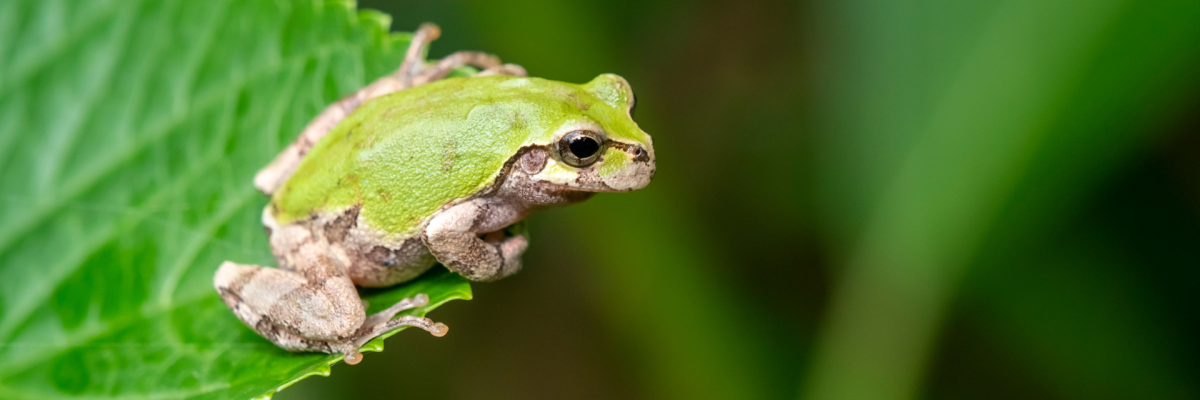
Japanese scientists have discovered a bacterium that, with a single injection, completely eliminated colon cancer in mice — even when modern immunotherapies proved powerless.
A team of researchers from Japan has made a discovery that could revolutionize oncology. The gut of the common Far Eastern tree frog (Dryophytes japonicus) harbors a bacterium that has turned out to be a cold-blooded killer of cancer cells.
It sounds like another episode of Black Mirror. In reality, this is one of last year's most significant breakthroughs — in 2025, science took a huge step toward creating "living medicines," and we stand on the threshold of an era in which cancer will be treated not with chemicals but with beneficial microbes.
Guest from the Far East
A team of scientists led by Seigo Iwata carried out a colossal task: they isolated 45 different bacterial strains from the intestines of amphibians and reptiles in Japan — frogs, newts, and lizards.
Nine strains showed notable antitumor activity. But one stood out among them: Ewingella americana. When mice with aggressive colon cancer received just a single injection of this bacterium, the unbelievable happened: the tumors disappeared completely, leaving no trace. Even 30 days later, when the mice were again injected with cancer cells, no new tumors grew — the body had developed immunity.
Why This Works Better Than Chemotherapy
Tumors create an "oxygen desert" around themselves (a condition called hypoxia), through which neither many drugs nor the body's own immune cells can pass. But for Ewingella americana, this turned out not to be a problem at all.
This bacterium belongs to the group of facultative anaerobes. Simply put, it is completely indifferent to oxygen, but it loves an oxygen-poor environment — precisely the interior of a tumor. The scientists found that after injection, the number of bacteria in the mouse's body increased 3,000‑fold in just one day. They colonize the growth. Scientists call this mechanism a double strike:
-
Direct attack: the bacteria release toxins that destroy cancer cells from within (a cytotoxic effect).
-
Reinforcement call: Ewingella acts as a powerful immunomodulator. It "explains" to the immune system that the enemy is here and forces T‑cells, B‑cells, and neutrophils to join the fight.
In tests, this bacterium significantly outperformed current standard treatments, including famous immune checkpoint inhibitors (such as anti‑PD‑L1) and the chemotherapeutic drug liposomal doxorubicin.
Safety First
This raises the main question: "Can we inject live bacteria into people?" The researchers anticipated this. Ewingella americana, isolated from a frog, proved non‑pathogenic to mammals at therapeutic doses.
Unlike genetically modified bacteria (which always raise questions for safety regulators), the natural strain does not cause long‑term toxicity and is quickly cleared from the bloodstream without damaging healthy organs.
Battle of the Bacteria: Who Else Is in the Game
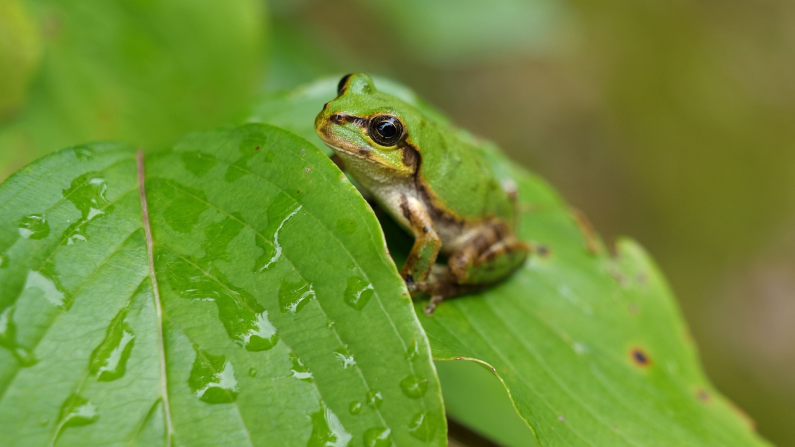
Of course, Ewingella americana is not the only contender for the title of "living medicine." Scientists around the world are literally hunting for bacteria that can defeat cancer. Here are just a few hot examples from recent years.
Salmonella — an Undercover Saboteur
The fact that we are used to fearing Salmonella as a cause of intestinal infections does not stop scientists. Researchers have long been using weakened strains of Salmonella typhimurium. This bacterium has a superpower: it penetrates directly into the tumor center and releases cytotoxins. Modern engineers are even teaching Salmonella to self‑destruct after completing its mission and to send signals to the immune system.
Clostridium — the Clostridial Knife
American specialists at the MD Anderson Cancer Center have already advanced to human clinical trials with a drug based on Clostridium novyi‑NT. This bacterium was genetically modified by removing the dangerous toxin gene. It germinates only in hypoxic (oxygen‑poor) zones of tumors that do not respond to radiation or chemotherapy. In combination with immunotherapy (the drug pembrolizumab), it has shown impressive results in patients with refractory solid tumors — that is, tumors resistant to treatment.
Bifidobacteria — More Than Just a Healthy Gut Microbiota
The Japanese are also actively studying Bifidobacterium longum. These bacteria are friendly to our microbiota, but in oncology, they act as immunostimulants. Oral administration of heat‑killed (inactivated) bifidobacteria suppressed the growth of sarcomas in mice by activating macrophages.
The Bioweapon of the Future
For now, Ewingella americana exists only in test tubes and is being tested in mice. Human clinical trials are still far off — safety must be verified, dosing protocols developed, and confirmation obtained that the bacterium is truly safe inside the human body.
But the conclusion is already clear: we are seeking a cure for cancer not in complex chemistry but within nature itself. "These results demonstrate that E. americana is a promising therapeutic candidate with an acceptable safety profile," the researchers write.
Share this with your friends!

Ethan Oakes



 10
10
Be the first to comment
Please log in to comment